

Article Sidebar
Downloads
Main Article Content
Abstract
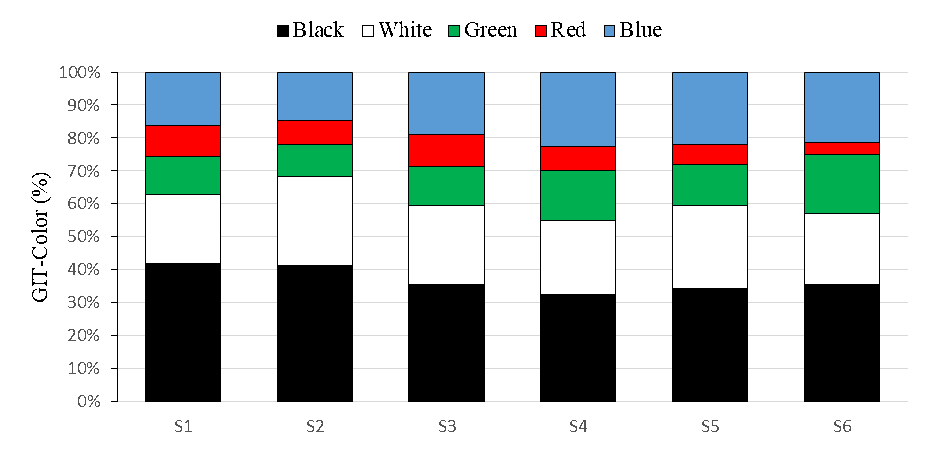
Microplastics, as emerging contaminants in aquatic ecosystems, have the potential to transfer through food webs. This study aimed to determine the relative frequency of shape, size, color, and polymer type of microplastics present in the gastrointestinal tract of common kilka (Clupeonella cultriventris) from the Kiashahr coast (southeastern Caspian Sea) during winter and summer seasons. Sampling was conducted in winter at six stations (S1 to S6) and in summer at two stations (S1 and S2). After dissection, the gastrointestinal tract of 80 fish specimens was digested using 30% H₂O₂ and separated via flotation in NaCl solution. Microplastics were categorized by shape (fibers, fragments, films, foams), size (five classes), color (five groups), and polymer type (determined by FTIR spectroscopy). At all stations and in both seasons, fibers were the dominant shape (winter: 65–75%; summer: approximately 63%). The size class of 500–1000 µm exhibited the highest frequency (winter: 40–50%; summer: 46–49%). Black color consistently showed the highest percentage (winter: 45–50%; summer: 45–47%). Polyethylene (PE) was the dominant polymer (winter: >40%; summer: 43–47%), followed by polypropylene (PP). No significant difference was observed among stations regarding the distribution of microplastic characteristics (P>0.05). Microplastic contamination in Kiashahr, kilka exhibits a uniform seasonal and spatial pattern, indicating a widespread and persistent source of pollution. Black polyethylene fibers measuring 500–1000µm were identified as the most common contaminant type. Controlling the input of municipal wastewater and fishing-related waste into the Sea appears essential.
Keywords
Article Details

This work is licensed under a Creative Commons Attribution-NonCommercial-NoDerivatives 4.0 International License.
The authors transfer the copyrights of their papers to the Iranian Society of Ichthyology. However, the information could be used in accordance with the Creative Commons licence (Attribution-NonCommercial 4.0 International (CC BY-NC 4.0)
References
- Arkhi, A.; Gholizadeh, M.; Mohammadzadeh, B. & Nemati, M. 2026. Microplastic contamination in the gastrointestinal tract of Caspian kutum (Rutilus kutum) from Miankaleh fishing grounds: Implications for ecosystem and human health. International Journal of Aquatic Biology 14(2): 110–121.
- Bagheri, T.; Pourang, N.; Nasrollahzade Saravi, H.; Afraei Bandpei, M. A.; Fazli, H.; Gholizadeh, M.; Shakoori, M.; Rezaie, M.; Firouzkandian, S. & Yazarlou, M. 2024. Risk assessment of microplastics influenced by human activities along the Gorganroud River (Iran) and its estuary to the Caspian Sea. Journal of Polymers and the Environment 32(2): 815-825.
- Constant, M.; Reynaud, M.; Weiss, L.; Ludwig, W.; & Kerhervé, P. 2022. Ingested microplastics in 18 local fish species from the northwestern Mediterranean Sea. Microplastics and Nanoplastics 1(1): 186-197.
- Foomani, A.; Gholizadeh, M.; Harsij, M.; & Salavatian, S. M. 2020. River health assessment using macroinvertebrates and water quality parameters: A case of the Shanbeh-Bazar River, Anzali wetland, Iran. Iranian Journal of Fisheries Sciences 19(5): 2274-2292.
- Gholizadeh, M. & Bagheri, T. 2026. Assessment of microplastic contamination in rainbow trout (Oncorhynchus mykiss) and surface water of a high-altitude aquaculture system in the Chehel Chai River, Iran. Environmental Science and Pollution Research 1–13.
- Gholizadeh, M.; Toomaj, A. & Hossiendost, S. H. 2017. Modeling habitat requirements of riverine stone loach, Paracobitis hircanica (Teleostei: Nemacheilidae) in the Zarin-Gol River, Caspian Sea basin, Iran. Iranian Journal of Ichthyology 4(4): 340–351.
- Hedayati, A.; Gholizadeh, M.; Bagheri, T.; Abarghouei, S. & Zamani, W. 2022. Microplastics in marine ecosystems. Sustainable Aquatic Research 1(2): 63.73.
- Hidalgo-Ruz, V.; Gutow, L.; Thompson, R.C. & Thiel, M. 2012. Microplastics in the marine environment: A review of the methods used for identification and quantification. Environmental Science & Technology 46(6): 3060-3075.
- Irnidayanti, Y.; Soegianto, A.; Brabo, A.H.; Abdilla, F.M.; Putranto, T.W.C. & Payus, C.M. 2023. The presence of microplastics in the gills and gastrointestinal tract of mackerel (Rastrelliger kanagurta Cuvier, 1816) from Jakarta Bay, Indonesia. Bulletin of Environmental Contamination and Toxicology 111(3): 37.
- Lusher, A.L.; Welden, N.A.; Sobral, P. & Cole, M. 2017. Sampling, isolating and identifying microplastics ingested by fish and invertebrates. Analytical Methods 9(9): 1346-1360.
- Maleki, P.; Rahman, P.; Jafariyan, H.; Salmanmahiny, A.; Ghorbani, R.; Gholizadeh, M. & Harsij, M. 2020. The risk assessment of water pollution in the Gorgan Bay catchment using the WRASTIC index. Environmental Nanotechnology, Monitoring & Management 14: 100393.
- Masoudi, E.; Hedayati, A.A.; Bagheri, T.; Salati, A.P.; Safari, R.; Gholizadeh, M. & Zakeri, M. 2021. Microplastic contamination in fishes of Gharasoo River basin, Golestan Province. Aquaculture Sciences 9(2): 108–115.
- Masura, J.; Baker, J.; Foster, G. & Arthur, C. 2015. Laboratory methods for the analysis of microplastics in the marine environment: Recommendations for quantifying synthetic particles in waters and sediments (NOAA Technical Memorandum NOS-OR&R-48). National Oceanic and Atmospheric Administration.
- Mobasheri, M.; Nematollahi, M. J.; Gholizadeh, M.; Jahandari, A.; Abbasnejad, B.; Esmaeili, Z.; Yousefi, N.; Mahmoudi, M. R. & Busquets, R. 2026. Spatial patterns of microplastics in abiotic coastal matrices of the northern Oman Sea, assessed with data visualization and geostatistics. Marine Pollution Bulletin 227: 119462.
- Pitt, J.A.; Gallager, S.M.; Youngs, S.; Michel, A.P.M.; Hahn, M.E. & Aluru, N. 2024. Microplastic abundance in the gastrointestinal tract and muscle of Atlantic killifish (Fundulus heteroclitus). Marine Pollution Bulletin 198: 116932.
- Wright, S. L.; Thompson, R. C. & Galloway, T. S. 2013. The physical impacts of microplastics on marine organisms: A review. Environmental Pollution 178: 483-492.
References
Arkhi, A.; Gholizadeh, M.; Mohammadzadeh, B. & Nemati, M. 2026. Microplastic contamination in the gastrointestinal tract of Caspian kutum (Rutilus kutum) from Miankaleh fishing grounds: Implications for ecosystem and human health. International Journal of Aquatic Biology 14(2): 110–121.
Bagheri, T.; Pourang, N.; Nasrollahzade Saravi, H.; Afraei Bandpei, M. A.; Fazli, H.; Gholizadeh, M.; Shakoori, M.; Rezaie, M.; Firouzkandian, S. & Yazarlou, M. 2024. Risk assessment of microplastics influenced by human activities along the Gorganroud River (Iran) and its estuary to the Caspian Sea. Journal of Polymers and the Environment 32(2): 815-825.
Constant, M.; Reynaud, M.; Weiss, L.; Ludwig, W.; & Kerhervé, P. 2022. Ingested microplastics in 18 local fish species from the northwestern Mediterranean Sea. Microplastics and Nanoplastics 1(1): 186-197.
Foomani, A.; Gholizadeh, M.; Harsij, M.; & Salavatian, S. M. 2020. River health assessment using macroinvertebrates and water quality parameters: A case of the Shanbeh-Bazar River, Anzali wetland, Iran. Iranian Journal of Fisheries Sciences 19(5): 2274-2292.
Gholizadeh, M. & Bagheri, T. 2026. Assessment of microplastic contamination in rainbow trout (Oncorhynchus mykiss) and surface water of a high-altitude aquaculture system in the Chehel Chai River, Iran. Environmental Science and Pollution Research 1–13.
Gholizadeh, M.; Toomaj, A. & Hossiendost, S. H. 2017. Modeling habitat requirements of riverine stone loach, Paracobitis hircanica (Teleostei: Nemacheilidae) in the Zarin-Gol River, Caspian Sea basin, Iran. Iranian Journal of Ichthyology 4(4): 340–351.
Hedayati, A.; Gholizadeh, M.; Bagheri, T.; Abarghouei, S. & Zamani, W. 2022. Microplastics in marine ecosystems. Sustainable Aquatic Research 1(2): 63.73.
Hidalgo-Ruz, V.; Gutow, L.; Thompson, R.C. & Thiel, M. 2012. Microplastics in the marine environment: A review of the methods used for identification and quantification. Environmental Science & Technology 46(6): 3060-3075.
Irnidayanti, Y.; Soegianto, A.; Brabo, A.H.; Abdilla, F.M.; Putranto, T.W.C. & Payus, C.M. 2023. The presence of microplastics in the gills and gastrointestinal tract of mackerel (Rastrelliger kanagurta Cuvier, 1816) from Jakarta Bay, Indonesia. Bulletin of Environmental Contamination and Toxicology 111(3): 37.
Lusher, A.L.; Welden, N.A.; Sobral, P. & Cole, M. 2017. Sampling, isolating and identifying microplastics ingested by fish and invertebrates. Analytical Methods 9(9): 1346-1360.
Maleki, P.; Rahman, P.; Jafariyan, H.; Salmanmahiny, A.; Ghorbani, R.; Gholizadeh, M. & Harsij, M. 2020. The risk assessment of water pollution in the Gorgan Bay catchment using the WRASTIC index. Environmental Nanotechnology, Monitoring & Management 14: 100393.
Masoudi, E.; Hedayati, A.A.; Bagheri, T.; Salati, A.P.; Safari, R.; Gholizadeh, M. & Zakeri, M. 2021. Microplastic contamination in fishes of Gharasoo River basin, Golestan Province. Aquaculture Sciences 9(2): 108–115.
Masura, J.; Baker, J.; Foster, G. & Arthur, C. 2015. Laboratory methods for the analysis of microplastics in the marine environment: Recommendations for quantifying synthetic particles in waters and sediments (NOAA Technical Memorandum NOS-OR&R-48). National Oceanic and Atmospheric Administration.
Mobasheri, M.; Nematollahi, M. J.; Gholizadeh, M.; Jahandari, A.; Abbasnejad, B.; Esmaeili, Z.; Yousefi, N.; Mahmoudi, M. R. & Busquets, R. 2026. Spatial patterns of microplastics in abiotic coastal matrices of the northern Oman Sea, assessed with data visualization and geostatistics. Marine Pollution Bulletin 227: 119462.
Pitt, J.A.; Gallager, S.M.; Youngs, S.; Michel, A.P.M.; Hahn, M.E. & Aluru, N. 2024. Microplastic abundance in the gastrointestinal tract and muscle of Atlantic killifish (Fundulus heteroclitus). Marine Pollution Bulletin 198: 116932.
Wright, S. L.; Thompson, R. C. & Galloway, T. S. 2013. The physical impacts of microplastics on marine organisms: A review. Environmental Pollution 178: 483-492.