

Article Sidebar
Downloads
Main Article Content
Abstract
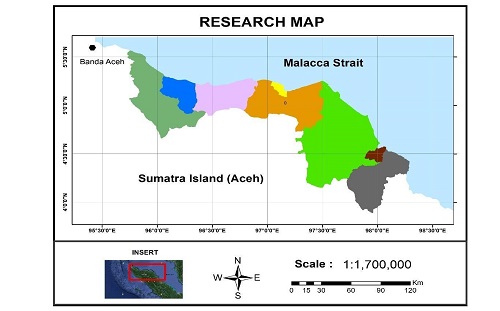
The shortfin scads (Decapterus macrosoma) are Aceh's eastern waterways' most commonly exploited fish. Shortfin scads contribute significantly to the economic development of Aceh's fishery, making its survival rate an unavoidable condition. This study was carried out between November 2021 and January 2022. This qualitative description was designed to learn about the state of fish in Aceh's eastern seas and how they might be managed sustainably. The data was obtained through intensive interviews and literature studies. Aceh Province's Marine and Fisheries Office provides the statistics of Aceh's capture fisheries from 2006–2020, which is essential. Surplus production and dynamic system modelling were analyzed based on the STELLA 9.0.2 application. The results showed that the utilization status value (URy) of D. macrosoma was 80%. The sustainable management scenario of D. macrosoma fisheries for the following decade (2021-2030) predicts that biomass stocks 2030 will reach their maximum on an allocation of fishing efforts similar to the 2020 effort, which was 108 percent. Therefore, the D. macrosoma fishery resource is fully exploited. The implementation of fishing efforts, equivalent to the 2020 effort, implicates the sustainability of biomass stocks until 2030.
Keywords
Article Details

This work is licensed under a Creative Commons Attribution-NonCommercial-NoDerivatives 4.0 International License.
The authors transfer the copyrights of their papers to the Iranian Society of Ichthyology. However, the information could be used in accordance with the Creative Commons licence (Attribution-NonCommercial 4.0 International (CC BY-NC 4.0)
References
- Aimon, H.; Adri, M.R. & Elida, E. 2018. The Model of Productivity and Efficiency on Fish Catching Results in Coastal Fishermen City of Padang. In: Proc First Padang Int Conf Econ Educ Econ Bus Manag Account Entrep PICEEBA 2018 [Internet]. Vol. 57. Padang, Indonesia: Atlantis Press; [accessed 2024 Aug 30]; p. 402-409.
- Bintoro, G.; Djoko Lelono, T.; Beami, W.; Fauziyah, & Nurfadillah. 2021. Sustainable Potential Analysis of Indian Mackerel (Rastrelliger kanagurta) Resource in East Coast waters of Aceh Province. IOP Conference Series: Earth and Environmental Science 860(1): 012112.
- Chaliluddin, M.A.; Affan, J.M.; Ramayanti, R.; Miswar, E.; Purnama, N.R.; Nellyana, R. & Syahputra, F. 2021. Analysis of diversity index, dominance and composition of beach seine in Masjid Raya, Aceh Besar District, Indonesia. IOP Conference Series: Earth and Environmental Science 869(1): 012046.
- Cook, R.; Acheampong, E.; Aggrey-Fynn, J. & Heath, M. 2021. A Fleet Based Surplus Production Model that Accounts for Increases in Fishing Power with Application to Two West African pelagic stocks. Fisheries Research 243: 106048.
- Feng, B.; Li, Z.; Lu, H.; Yan, Y. & Hou, G. 2024. Estimating the total allowable catch and management of Threadfin porgy (Evynnis cardinalis) fisheries in the northern South China Sea based on sampling surveys conducted at fishing ports. Aquac Fish. 9(2): 273–279.
- Harun, M.; Ismail, R. & Sulaiman, N. 2023. Journal of Advanced Zoology Status of Fish in Food Security in Malaysia. Journal of Advanced Zoology 44:138-155.
- Hidayat, K.; Farid, A. & Sugiarti, T. 2024. Analysis of the Status of Sustainable Utilization and Management of Flyfish (Decapterus russelli) Resources in Pasongsongan Waters, Sumenep Regency using the Walter-Hilborn Model. International Journal of Advanced Multidisciplinary 4(4): 713-716.
- Ihsan, I.; Asbar, M.J.; Wannebo, I. 2022. Studying the Composition of Types and Productivity of Trap Net Fishing Equipment in the Coastal Waters of Pangkep Regency, South Sulawesi Indonesian. Egyptian Journal of Aquatic Biology and Fisheries 26(6): 1361-1374.
- Jauhari, A. 2018. Fish Catch Quota Assessment for Sustainable Marine Fisheries Resources in East Java. International Journal of GEOMATE 15(50): 38-44.
- Kemp, P.S.; Subbiah, G.; Barnes, R.; Boerder, K.; O’Leary, B.C.; Stewart, B.D., Williams, C. 2023. The future of marine fisheries management and conservation in the United Kingdom: Lessons learnt from over 100 years of biased policy. Marine Policy 147: 105075.
- Malone, K.L.; Schunn, C.D. & Schuchardt, A.M. 2018. Improving Conceptual Understanding and Representation Skills through Excel-Based Modeling. Journal of Science Education and Technology 27(1): 30-44.
- Napitupulu, L.; Tanaya Sitanggang, S.; Ayostina, I.; Andesta, I.; Fitriana, R.; Ayunda, D.; Tussadiah, A.; Ervita, K.; Makhas, K.; Firmansyah, R. & Haryanto, R. 2022. Trends in Marine Resources and Fisheries Management in Indonesia: A Review. World Resour Inst [Internet]. [Accessed 2024 August 23].
- Patonai, K. & Fábián, V.A. 2022. Comparison of three modelling frameworks for aquatic ecosystems: practical aspects and applicability. Community Ecology 23(3).
- Shields, M. 2019. Research Methodology and Statistical Methods. United Kingdom: ED-Tech Press.
- Sofyan, Farhan, M.D. & Ginting, L.N. 2022. Optimizing the utilization of scad fish (Decapterus spp.) resource in northern coast of Aceh. IOP Conference Series: Earth and Environmental Science 951(1): 012054.
- Sparre, P. & Venema, S.C. 1998. Introduction to tropical fish stock assessment. Part 1. Manual. FAO Fisheries. FAO Fish Tech Pap. 1.
- Tamario, C.; Sunde, J.; Petersson, E.; Tibblin, P. & Forsman, A. 2019. Ecological and Evolutionary Consequences of Environmental Change and Management Actions for Migrating Fish. Frontiers in Ecology and Evolution 7: 271.
- Wiyono, E.S.; Simbolon, D. & Solihin, I. 2018. Estimation of the utilization rate of fish resources in the northern coast of Java, Indonesia. AACL Bioflux 11(6): 1807-1824.
- Wujdi, A.; Rochman, F.; Arnenda, G.L.; Kurniawan, R.; Rhomadona, W.; Wardhani, I.S.; Iman, A. & Putasa, M.A. 2021. Assessing the small pelagic fishery status based on the bioeconomic approach in the Prigi Bay and surrounding waters. IOP Conference Series: Earth and Environmental Science 860(1): 012060.
References
Aimon, H.; Adri, M.R. & Elida, E. 2018. The Model of Productivity and Efficiency on Fish Catching Results in Coastal Fishermen City of Padang. In: Proc First Padang Int Conf Econ Educ Econ Bus Manag Account Entrep PICEEBA 2018 [Internet]. Vol. 57. Padang, Indonesia: Atlantis Press; [accessed 2024 Aug 30]; p. 402-409.
Bintoro, G.; Djoko Lelono, T.; Beami, W.; Fauziyah, & Nurfadillah. 2021. Sustainable Potential Analysis of Indian Mackerel (Rastrelliger kanagurta) Resource in East Coast waters of Aceh Province. IOP Conference Series: Earth and Environmental Science 860(1): 012112.
Chaliluddin, M.A.; Affan, J.M.; Ramayanti, R.; Miswar, E.; Purnama, N.R.; Nellyana, R. & Syahputra, F. 2021. Analysis of diversity index, dominance and composition of beach seine in Masjid Raya, Aceh Besar District, Indonesia. IOP Conference Series: Earth and Environmental Science 869(1): 012046.
Cook, R.; Acheampong, E.; Aggrey-Fynn, J. & Heath, M. 2021. A Fleet Based Surplus Production Model that Accounts for Increases in Fishing Power with Application to Two West African pelagic stocks. Fisheries Research 243: 106048.
Feng, B.; Li, Z.; Lu, H.; Yan, Y. & Hou, G. 2024. Estimating the total allowable catch and management of Threadfin porgy (Evynnis cardinalis) fisheries in the northern South China Sea based on sampling surveys conducted at fishing ports. Aquac Fish. 9(2): 273–279.
Harun, M.; Ismail, R. & Sulaiman, N. 2023. Journal of Advanced Zoology Status of Fish in Food Security in Malaysia. Journal of Advanced Zoology 44:138-155.
Hidayat, K.; Farid, A. & Sugiarti, T. 2024. Analysis of the Status of Sustainable Utilization and Management of Flyfish (Decapterus russelli) Resources in Pasongsongan Waters, Sumenep Regency using the Walter-Hilborn Model. International Journal of Advanced Multidisciplinary 4(4): 713-716.
Ihsan, I.; Asbar, M.J.; Wannebo, I. 2022. Studying the Composition of Types and Productivity of Trap Net Fishing Equipment in the Coastal Waters of Pangkep Regency, South Sulawesi Indonesian. Egyptian Journal of Aquatic Biology and Fisheries 26(6): 1361-1374.
Jauhari, A. 2018. Fish Catch Quota Assessment for Sustainable Marine Fisheries Resources in East Java. International Journal of GEOMATE 15(50): 38-44.
Kemp, P.S.; Subbiah, G.; Barnes, R.; Boerder, K.; O’Leary, B.C.; Stewart, B.D., Williams, C. 2023. The future of marine fisheries management and conservation in the United Kingdom: Lessons learnt from over 100 years of biased policy. Marine Policy 147: 105075.
Malone, K.L.; Schunn, C.D. & Schuchardt, A.M. 2018. Improving Conceptual Understanding and Representation Skills through Excel-Based Modeling. Journal of Science Education and Technology 27(1): 30-44.
Napitupulu, L.; Tanaya Sitanggang, S.; Ayostina, I.; Andesta, I.; Fitriana, R.; Ayunda, D.; Tussadiah, A.; Ervita, K.; Makhas, K.; Firmansyah, R. & Haryanto, R. 2022. Trends in Marine Resources and Fisheries Management in Indonesia: A Review. World Resour Inst [Internet]. [Accessed 2024 August 23].
Patonai, K. & Fábián, V.A. 2022. Comparison of three modelling frameworks for aquatic ecosystems: practical aspects and applicability. Community Ecology 23(3).
Shields, M. 2019. Research Methodology and Statistical Methods. United Kingdom: ED-Tech Press.
Sofyan, Farhan, M.D. & Ginting, L.N. 2022. Optimizing the utilization of scad fish (Decapterus spp.) resource in northern coast of Aceh. IOP Conference Series: Earth and Environmental Science 951(1): 012054.
Sparre, P. & Venema, S.C. 1998. Introduction to tropical fish stock assessment. Part 1. Manual. FAO Fisheries. FAO Fish Tech Pap. 1.
Tamario, C.; Sunde, J.; Petersson, E.; Tibblin, P. & Forsman, A. 2019. Ecological and Evolutionary Consequences of Environmental Change and Management Actions for Migrating Fish. Frontiers in Ecology and Evolution 7: 271.
Wiyono, E.S.; Simbolon, D. & Solihin, I. 2018. Estimation of the utilization rate of fish resources in the northern coast of Java, Indonesia. AACL Bioflux 11(6): 1807-1824.
Wujdi, A.; Rochman, F.; Arnenda, G.L.; Kurniawan, R.; Rhomadona, W.; Wardhani, I.S.; Iman, A. & Putasa, M.A. 2021. Assessing the small pelagic fishery status based on the bioeconomic approach in the Prigi Bay and surrounding waters. IOP Conference Series: Earth and Environmental Science 860(1): 012060.